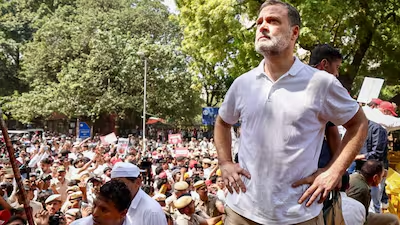
Delhi’s trading community has renewed its appeal to Congress leader Rahul Gandhi to postpone the INDIA bloc’s planned November 1 protest rally at Ramlila Maidan, warning that the event could disrupt business during one of the capital’s busiest shopping periods.
The Chamber of Trade and Industry (CTI) has estimated that the rally could put business worth as much as ₹10,000 crore at risk. The organisation says large crowds, traffic restrictions and possible road closures could make it difficult for customers and traders to reach commercial areas ahead of Diwali.
Traders Seek a New Date for the Rally
CTI chairman Brijesh Goyal has sent another letter to Gandhi requesting that the rally be rescheduled until after November 10. The traders’ body has also approached Congress president Mallikarjun Kharge, asking him to discuss the issue with other INDIA bloc leaders.
The rally is expected to draw a large gathering, with Congress projecting attendance of around 10 lakh people. According to the traders’ assessment, the movement of approximately 15,000 to 20,000 vehicles could place additional pressure on Delhi’s roads and affect commercial activity across several neighbourhoods.
The CTI has suggested holding the event after the main festive period or shifting it to another venue, such as Burari Ground or Jawaharlal Nehru Stadium.
Gandhi, however, has indicated that the protest will proceed as planned. His response followed an earlier appeal from traders concerned about the timing of the gathering.
Major Wholesale Markets Could Face Disruptions
The proposed rally has raised concerns because Ramlila Maidan is surrounded by important wholesale and retail trading areas. Markets within roughly five kilometres of the venue include Chandni Chowk, Sadar Bazar, Chawri Bazar and Kashmere Gate.
Other commercial centres, including Khari Baoli, Bhagirath Palace, Dariba, Daryaganj and Ajmeri Gate, could also experience difficulties if traffic movement is restricted.
These markets supply a wide range of products to retailers and buyers across Delhi and other parts of the country. Any interruption to the movement of goods could affect deliveries, while road diversions and security arrangements may discourage shoppers from visiting stores.
The traders have also highlighted the importance of access to Old Delhi and New Delhi railway stations, which are used by people travelling to the capital for commercial purposes.
Diwali Season Adds to Business Concerns
The timing of the rally is a central concern for traders because the event falls shortly before Dhanteras, Diwali and Bhai Dooj. Dhanteras is scheduled for November 6, Diwali for November 8 and Bhai Dooj for November 10.
According to the CTI, Delhi records substantial festive-season sales across sectors such as jewellery, electronics, clothing, utensils, dry fruits, sweets, automobiles and gift items. The organisation has estimated that business activity around Dhanteras alone can reach approximately ₹25,000 crore.
Traders argue that customers begin shopping well before the festivals, making the days leading up to the celebrations particularly important for retailers and wholesalers.
The CTI has also claimed that businesses in parts of Delhi have already faced losses of around ₹3,000 crore during October because of rallies, marches and road closures. It attributes the alleged losses to reduced customer footfall and difficulties transporting goods.
The ₹10,000 crore figure represents the traders’ estimate of potential business at risk, rather than a confirmed loss.
Political Protest and Commercial Activity
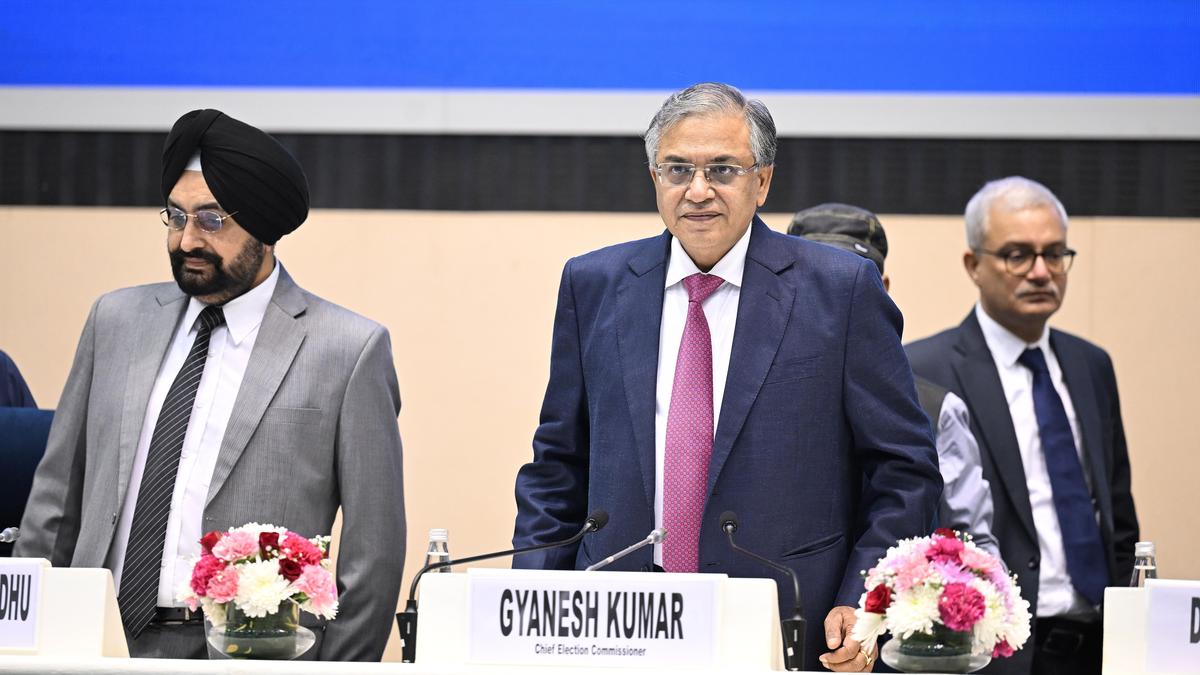
The INDIA bloc’s rally is intended to protest against Chief Election Commissioner Gyanesh Kumar and the Special Intensive Revision (SIR) of electoral rolls. Opposition leaders have raised allegations of electoral irregularities, while the planned demonstration is expected to intensify their campaign on the issue.
Gandhi has argued that the protest concerns broader democratic and electoral questions. He has also criticised restrictions on public movement in the capital, saying the underlying issues affect traders and their families as well.
The CTI has maintained that it respects the right to peaceful protest but wants political parties to consider the impact of large gatherings on livelihoods during the festive season.
The dispute now centres on whether the rally will take place on November 1 as scheduled or whether organisers will agree to a change of date or venue. For Delhi’s traders, the outcome could influence access to markets during a crucial period for festive sales.