Karnataka Minister Priyank Kharge has intensified his criticism of the Rashtriya Swayamsevak Sangh (RSS), describing the organisation as a major threat to Indian democracy and questioning its financial transparency and legal status.
Kharge’s remarks on Tuesday, October 27, 2026, came amid an escalating political dispute between the Congress and the Bharatiya Janata Party (BJP) over the RSS’s activities, funding and accountability. The organisation, which is widely regarded as the BJP’s ideological parent, has been marking its centenary with events across the country.
The minister questioned how an organisation with a substantial national presence raises and manages its funds, arguing that institutions with significant influence over public life should be subject to appropriate scrutiny.
Kharge Questions RSS Funding and Registration
Kharge alleged that the RSS had engaged with lobbyists in the United States who also lobby for Pakistan. He questioned the organisation’s fundraising activities and its reported outreach to millions of households across India.
He also urged the RSS to register formally, arguing that doing so would improve transparency and make its financial arrangements easier to examine.
The Karnataka minister challenged the organisation to demonstrate its commitment to constitutional principles by providing greater clarity about its funding sources, expenditure and administrative structure.
His remarks build on concerns he has raised in recent days about how the RSS finances its operations, maintains offices and supports its nationwide activities.
Kharge has argued that the organisation’s size and influence make questions about accountability particularly important. He has also called for clarification on how donations are collected and whether financial records are independently audited.
Centenary Events Add to Political Tensions
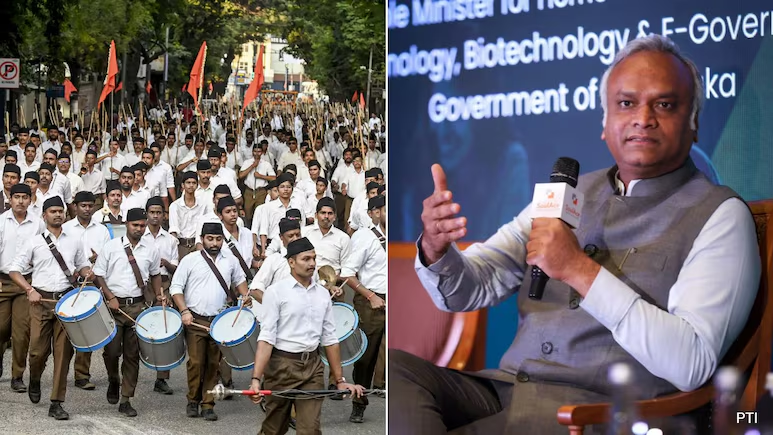
The latest exchange follows RSS route marches held at several locations across Karnataka on Sunday as part of the organisation’s centenary celebrations and Vijayadashami observances.
The events took place amid heightened police security and controversy over permissions for public gatherings. BJP leaders accused the Congress-led state government of targeting or harassing the organisation, while Congress leaders defended scrutiny of its activities.
Kharge questioned the participation of prominent political families in the marches, asking whether the children of influential leaders had taken part in the events wearing the organisation’s traditional uniform and carrying wooden staffs.
The dispute has highlighted broader disagreements over the RSS’s role in public life and the relationship between political organisations, cultural institutions and government authorities.
Earlier Questions About Constitutional Accountability
Kharge’s latest comments follow a series of public challenges concerning the RSS’s legal status and its relationship with politics.
Earlier this month, he questioned the organisation’s claim to operate primarily as a cultural body, arguing that its interventions on political, economic, defence and foreign policy issues raised questions about the extent of its public influence.
He has also asked RSS chief Mohan Bhagwat to clarify the organisation’s position on registration, financial disclosures and constitutional accountability.
Bhagwat has previously argued that registration is required for organisations seeking government funding, comparing the RSS’s status with institutions that operate without formal registration. The disagreement has become a recurring point of contention between the two sides.
Kharge maintains that organisations exercising significant social and political influence should be prepared to explain their structures and financial arrangements. The RSS’s position on registration and the extent of any applicable disclosure obligations remain central to the dispute.
Congress-BJP Confrontation Widens
The controversy is part of a broader political confrontation between the Congress and BJP over the RSS’s influence in Indian public life.
Congress leaders have repeatedly criticised the organisation’s ideology and role in politics, while BJP leaders have defended it and accused Congress of using government authority to restrict its activities.
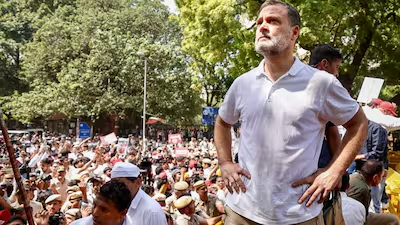
Rahul Gandhi also criticised the RSS in a recent public statement, prompting a response from BJP leader Smriti Irani, who condemned his remarks.
The exchange has added to tensions between the parties as they contest questions concerning political accountability, constitutional values and the role of ideological organisations.
Transparency Debate Likely to Continue
Kharge’s latest remarks have brought the RSS’s funding and registration back into the political spotlight. His demands centre on whether the organisation should provide more information about its finances and administrative arrangements in view of its nationwide reach.
The RSS has operated for a century and maintains an extensive network of local units and affiliated organisations. The current dispute reflects wider questions about how institutions with substantial social influence should balance organisational autonomy with legal obligations and public accountability.
Further responses from the RSS and the BJP could shape the next phase of the confrontation, which has become a prominent issue in Karnataka’s political debate.