Building bigger, stronger arms requires more than lifting heavy weights. A well-planned workout, proper technique, adequate recovery and consistent nutrition all play important roles in developing the biceps and the muscles surrounding them.
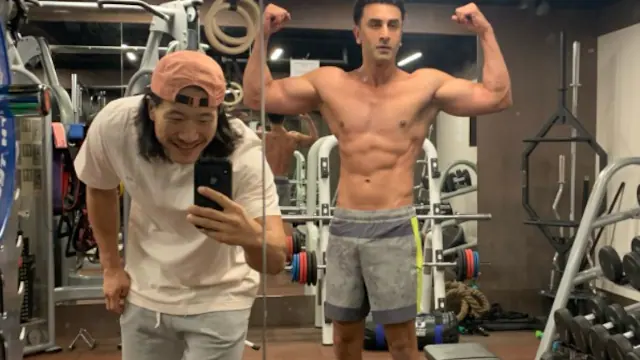
A recent photo of Bollywood actor Ranbir Kapoor flexing his biceps, shared by his fitness trainer, has drawn attention to his muscular physique and the work that goes into maintaining it. The image has also renewed interest in effective arm-training methods for people looking to improve their strength and muscle definition.
While celebrity fitness routines may attract attention, the fundamentals of building stronger arms remain the same: progressive resistance training, controlled movements and a balanced approach to exercise.
Ranbir Kapoor’s Workout Routine Focuses on Strength and Mobility
Ranbir’s physical preparation for his role as Lord Ram in Ramayana involved a structured fitness routine under the guidance of Korean trainer Nam, also known as Training With Nam.
In a July 2024 conversation, the actor described spending around three hours a day on fitness, dividing his sessions between mobility work, stretching, cardio and strength training. He also mentioned exercises such as pull-ups, squats and deadlifts, alongside bodyweight movements including handstands and headstands.
His approach highlights the importance of developing overall athletic ability rather than concentrating exclusively on muscle size. However, his demanding schedule was designed around professional requirements and should not be treated as a routine everyone needs to follow.
5 Effective Ways to Build Bigger Biceps
1. Include Different Types of Curls
Dumbbell curls, barbell curls and hammer curls are useful exercises for targeting the muscles of the upper arm. Each movement places slightly different demands on the biceps and surrounding muscles.
Choose weights that allow you to maintain good form instead of swinging your body to lift heavier loads.
2. Train Your Back Alongside Your Arms
Exercises such as pull-ups, chin-ups and rows engage the biceps while strengthening the back. Combining these compound movements with curls can help develop stronger, more balanced upper-body muscles.
Beginners can use assisted pull-ups or resistance bands if full repetitions are too challenging.
3. Increase Resistance Gradually
Muscle growth depends partly on progressive overload, which means gradually increasing the challenge placed on the muscles. This can involve lifting slightly heavier weights, performing additional repetitions or improving movement control.
Increase the workload progressively rather than making sudden jumps that could compromise technique.
4. Prioritise Protein and Balanced Nutrition
Muscles need adequate energy and protein to recover and grow. Include protein-rich foods such as eggs, dairy products, lentils, beans, tofu, fish or lean meat, depending on your dietary preferences.
A balanced diet containing carbohydrates, healthy fats, vitamins and minerals also supports training performance and recovery.
5. Allow Time for Recovery
Training the same muscles intensely every day can interfere with recovery. Leave sufficient time between demanding arm sessions, get adequate sleep and adjust your routine if you experience persistent pain or excessive fatigue.
Consistency over several weeks and months is generally more valuable than occasional intense workouts.
Bigger Arms Require Patience and Consistency
Ranbir Kapoor’s latest gym photograph offers a glimpse of the physical conditioning behind his screen appearances. His training experience also illustrates that building a defined physique takes planning, sustained effort and attention to more than just lifting weights.
For anyone looking to develop bigger biceps, the most effective starting point is a manageable strength-training programme that combines curls, compound exercises, balanced nutrition and adequate rest. Results will vary depending on genetics, training experience, diet and consistency.
The goal should be to build strength and muscle safely, rather than attempting to replicate a celebrity’s physique in an unrealistic timeframe.