Bollywood actor Janhvi Kapoor has spoken candidly about the controversy surrounding her portrayal of Achiyamma in the Telugu film Peddi, acknowledging that she could have raised stronger objections to scenes she now considers problematic. Her comments have reignited discussion about how women are represented in mainstream cinema and the pressures actors may face while working with filmmakers.
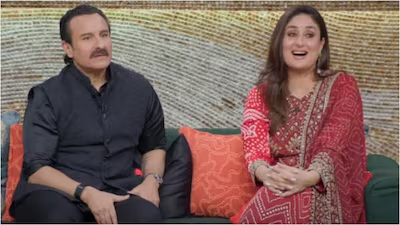
During an appearance on Koffee With Karan Season 9 alongside Varun Dhawan, Kapoor reflected on the criticism directed at the film following its release. She admitted that she had struggled to find the right words to address the issue because many people had worked hard on the project. However, she also accepted responsibility for her part in what happened.
The controversy has drawn attention to questions of creative control, professional expectations and the ability of actors to challenge decisions made during production.
Janhvi Kapoor Admits She Could Have Done More
Kapoor said the negative impact that certain portrayals can have on society, particularly on women, continued to trouble her. She acknowledged that she could have been more vigilant and more forceful in expressing her concerns.
The actor agreed that the film’s treatment of her character involved excessive objectification and raised serious questions about how certain scenes were presented. She said she hoped to ensure that a similar situation would not occur again in her future work.
At the same time, Kapoor explained that actors can feel pressure to follow a director’s instructions in order to remain professional. She described trying to make scenes less problematic as concerns became clearer during filming and the production process.
She also pointed out that scripts do not always provide a complete picture of how a scene will appear on screen. Camera angles and visual choices can substantially affect the final portrayal, making it difficult for performers to anticipate every aspect of the finished film.
Kapoor’s remarks reflected her attempt to balance personal accountability with an acknowledgment of the professional circumstances in which actors operate.
What Sparked the Peddi Controversy?
The controversy centred on the portrayal of Achiyamma, played by Kapoor, in the sports drama starring Ram Charan. Following the film’s release in June 2026, viewers criticised several scenes, arguing that the character was presented through excessive visual emphasis on her appearance rather than meaningful development within the story.
Some of the criticism also focused on the film’s romantic storyline and its treatment of consent. Audiences questioned whether particular scenes were framed in a way that trivialised the female character’s discomfort.
The backlash extended beyond online discussion. Director Buchi Babu Sana issued an apology, saying the filmmakers had taken audience concerns seriously. The production team subsequently decided to modify or remove portions that had attracted criticism.
The debate highlighted the influence of audience feedback on filmmaking decisions and the growing scrutiny of how female characters are written, filmed and integrated into a narrative.
Alia Bhatt’s Social Media Activity Adds Another Layer
The wider conversation also brought attention to social media activity involving Alia Bhatt and Rashmika Mandanna. Online discussions around the controversy have focused on reactions to posts and the way public figures engage with conversations about women’s representation in films.
However, social media likes alone do not necessarily establish a celebrity’s position on a particular issue. Without a clear public statement, online interpretations should be treated cautiously.
Rashmika has separately spoken about the importance of setting boundaries around costumes and on-screen appearances. She has acknowledged that actors may sometimes find it difficult to express discomfort, especially when they feel pressure to meet professional expectations.
These discussions have broadened the debate beyond one film, drawing attention to the importance of communication between performers and directors.
A Wider Conversation About Responsibility in Cinema
Kapoor’s comments have placed renewed emphasis on the responsibility shared by actors, directors and production teams when deciding how characters are represented. While filmmakers make creative decisions, performers may also have opportunities to raise concerns about scenes that could undermine a character’s dignity or agency.
The controversy surrounding Peddi demonstrates how audience responses can prompt reassessment of creative choices, even after a film reaches theatres.
For Kapoor, the experience has become an opportunity to reflect on how she approaches future projects. Her remarks also underline a broader question facing the film industry: how can productions preserve creative freedom while ensuring that female characters are portrayed with depth, dignity and respect?