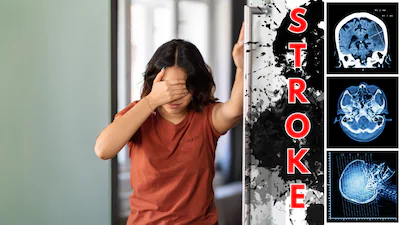
A person may go to sleep feeling completely normal but wake up with weakness, dizziness, difficulty speaking or changes in vision. These symptoms can indicate a wake-up stroke, a stroke that occurs during sleep and is first recognised when the person wakes up.
Because the exact time the stroke began may be unknown, recognising symptoms quickly and seeking emergency medical care are especially important. World Stroke Day, observed on October 29, highlights the importance of identifying warning signs and acting without delay.
What Is a Wake-Up Stroke?
A wake-up stroke is diagnosed when a person discovers stroke symptoms upon waking after sleeping without noticing when the symptoms began. Like other strokes, it can occur when a blood clot blocks blood flow to part of the brain or when a blood vessel ruptures and causes bleeding.
The main challenge is determining when the stroke started. Doctors may use brain imaging and other clinical assessments to establish which treatments may be appropriate. An unknown onset time does not automatically mean that treatment is impossible.
For this reason, anyone who wakes up with sudden neurological symptoms should seek emergency assessment rather than waiting for the symptoms to improve.
1. Sudden Weakness or Numbness
One of the most recognisable stroke warning signs is sudden weakness or numbness affecting the face, arm or leg, particularly on one side of the body.
A person may struggle to lift an arm, hold an object, stand steadily or move one side of the body normally. Facial drooping may also occur, although not every stroke causes this symptom.
Sudden weakness should never be dismissed as an ordinary consequence of sleeping in an awkward position when it is severe, unusual or accompanied by other neurological changes.
2. Dizziness and Loss of Balance
Sudden dizziness, difficulty walking or a loss of coordination can also indicate a stroke. Some strokes affect areas of the brain involved in balance and movement, and their symptoms may occur without obvious facial drooping or arm weakness.
Dizziness has many possible causes, but sudden and significant dizziness—particularly when accompanied by weakness, confusion, difficulty walking or visual disturbances—requires urgent medical assessment.
3. Blurred or Double Vision
A stroke can affect the parts of the brain responsible for processing visual information and controlling eye movements. Symptoms may include sudden blurred vision, double vision or loss of vision in one or both eyes.
These changes may be overlooked when someone first wakes up, especially if they assume their eyesight is temporarily affected by tiredness. However, sudden and unexplained visual disturbances can be a warning sign that requires immediate attention.
4. Speech Difficulties and Confusion
A person experiencing a stroke may have slurred speech, struggle to find words or find it difficult to understand what others are saying. Sudden confusion can also occur.
Family members or caregivers may notice these changes before the affected person recognises that something is wrong. Observing a sudden change in speech, behaviour, coordination or movement can therefore be crucial.
Why Immediate Treatment Matters
A stroke is a medical emergency because interrupted blood flow or bleeding can damage brain tissue. The sooner a person receives appropriate assessment and treatment, the greater the opportunity to limit complications.
If someone wakes up with possible stroke symptoms, call India's emergency number 112 or arrange immediate emergency medical assistance. Do not wait to see whether the symptoms disappear, and do not allow the person to drive themselves.
Note the time the person was last known to be well, such as before going to sleep, and tell the medical team when the symptoms were discovered. Do not give food, drink or medication unless emergency professionals advise it.
Recognising Stroke Signs With BE FAST
The BE FAST method can help people remember important warning signs:
- B – Balance: Sudden dizziness or difficulty walking.
- E – Eyes: Sudden vision changes or double vision.
- F – Face: One side of the face droops.
- A – Arms: Sudden weakness or numbness.
- S – Speech: Slurred speech or difficulty understanding.
- T – Time: Seek emergency help immediately.
A wake-up stroke may not produce every symptom, and symptoms that disappear quickly can still indicate a serious problem. Recognising unusual changes and getting urgent medical care can make a critical difference to treatment and recovery.