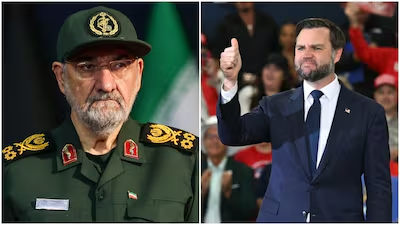
US Vice President JD Vance has reportedly sent a letter to senior Iranian security official Mohsen Rezaei in an effort to reopen diplomatic negotiations between Washington and Tehran, as tensions rise over the possibility of renewed military action after the US midterm elections on November 3.
The reported outreach comes amid uncertainty over whether the two countries can find common ground on Iran’s nuclear programme, economic sanctions and the wider regional conflict. President Donald Trump has threatened further military action against Iran, while diplomatic contacts are continuing through regional intermediaries.
The letter could provide an opening for renewed discussions, although there has been no confirmation of a breakthrough or agreement between the two governments.
Letter Seeks a Framework for Renewed Negotiations
According to reports citing US officials and people familiar with the matter, Vance contacted Rezaei, the secretary of Iran’s Supreme National Security Council and a former commander of the Islamic Revolutionary Guard Corps.
The communication reportedly explored a framework for restarting negotiations rather than presenting a detailed peace proposal. A US official said the nuclear issue would have to be addressed in any discussions intended to prevent further military escalation.
Rezaei holds a prominent position within Iran’s security establishment and is regarded as an influential figure close to the country’s leadership. Contacting him could offer Washington a channel for testing Tehran’s willingness to resume negotiations.
However, the full contents and timing of the letter have not been made public. It also remains unclear whether the exchange will lead to formal talks or produce specific commitments from either side.
Trump Clarifies His Role in the Outreach
Trump confirmed that Vance had approached him about contacting Iranian officials but disputed reports that he had directed the vice president to restart peace negotiations.
The president said he had approved Vance’s initiative, describing its purpose publicly as helping Iran obtain medical supplies and other humanitarian assistance. His remarks left questions about whether the outreach was intended primarily as a humanitarian measure or as part of a wider diplomatic effort.
The differing accounts highlight uncertainty surrounding the administration’s approach to Tehran. Washington has continued to signal that military options remain available while also allowing diplomatic contacts to explore the possibility of an agreement.
Vance previously played a leading role in US negotiations with Iran, including discussions held in Pakistan earlier in the year. Those efforts failed to produce a lasting settlement, leaving the two sides divided over the terms required to end the conflict.
Nuclear Dispute and Sanctions Remain Major Obstacles
Iran’s nuclear programme remains a central point of disagreement. Washington wants negotiations to address concerns about Iran’s nuclear activities, while Tehran has sought economic relief and changes to restrictions affecting its oil sector.
Iran has also demanded the unfreezing of assets held abroad and an end to the US naval blockade of Iranian ports. These conditions complicate efforts to establish a negotiating framework acceptable to both governments.
Regional mediators, including Qatar, have been working to bring the sides closer together. Diplomatic discussions have also focused on reopening the Strait of Hormuz, a strategically important waterway for global oil and liquefied natural gas shipments.
Iranian Foreign Minister Abbas Araghchi has indicated that Tehran remains in contact with intermediaries and is willing to consider diplomatic options, while maintaining that the country is prepared to defend itself against further attacks.
Midterm Elections Add Pressure to the Situation
The timing of Vance’s reported letter is significant because the US midterm elections are scheduled for November 3. Trump has warned that military operations against Iran could resume after the vote, although no final decision on a renewed campaign has been confirmed.
The conflict has also created economic pressures, particularly through disruptions to energy shipments and higher fuel costs. These issues have become part of the wider political debate in the United States as voters prepare to elect members of Congress.
For now, Vance’s communication represents a potential diplomatic opening rather than evidence that peace negotiations have resumed successfully. Whether it leads to meaningful progress will depend on the responses from Tehran, the administration’s willingness to compromise and the ability of mediators to bridge the substantial differences between the two sides.