Saudi Arabia has reportedly proposed a financial package worth $1 billion to Yemen’s Houthi movement in an effort to secure a ceasefire and stop attacks on Saudi territory and critical infrastructure. The reported initiative involves Iran acting as a mediator and follows diplomatic discussions in Tehran attended by senior officials from Saudi Arabia, Pakistan and Turkey.
The proposal was reported on October 27, citing Gulf diplomatic sources. While Saudi Arabia confirmed that its defence minister visited Tehran for regional discussions, the government did not publicly confirm the reported financial offer or announce that an agreement with the Houthis had been reached.
Saudi Defence Minister Visits Tehran for Diplomatic Talks
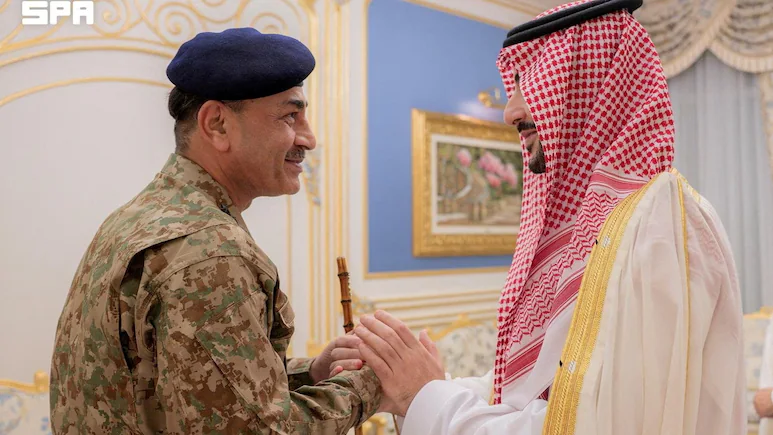
Saudi Defence Minister Prince Khalid bin Salman travelled to Tehran for discussions aimed at reducing regional tensions and exploring diplomatic solutions to the conflict.
The meeting included Pakistan’s army chief, Field Marshal Asim Munir, and Turkish intelligence chief Ibrahim Kalin. Iranian representatives included President Masoud Pezeshkian, senior national security officials and representatives of the Islamic Revolutionary Guard Corps.
Saudi Arabia’s Foreign Ministry said the visit was part of ongoing efforts to de-escalate tensions, encourage dialogue and support mediation initiatives involving Qatar and Pakistan. Its statement did not confirm the alleged $1 billion arrangement.
According to the report, Iran offered to facilitate discussions between Riyadh and the Houthis as part of a broader effort to contain the conflict and reduce attacks on Saudi interests.
What the Reported $1 Billion Package Would Cover
The proposed financial arrangement is reportedly connected to earlier understandings between Saudi Arabia and the Houthis aimed at advancing a political settlement in Yemen.
According to the account cited in the report, the assistance would help rebuild civilian infrastructure in Houthi-controlled areas and support payments to public-sector employees. In return, the Houthis would be expected to maintain a ceasefire and halt attacks against Saudi Arabia.
A Saudi official reportedly attributed part of the continuing dispute to the failure to implement agreements discussed approximately three years ago.
The details remain uncertain. The reported proposal does not establish that the money has been transferred, that the Houthis have accepted the terms or that a formal ceasefire agreement has been finalised.
Attacks on Saudi Infrastructure Increase Pressure for a Settlement
The diplomatic initiative comes amid reports of Houthi attacks targeting Saudi airports and energy infrastructure. Such incidents raise security concerns for the kingdom and threaten facilities important to regional transport and oil exports.
The wider Middle East is also facing tensions affecting shipping and energy movements through the Strait of Hormuz, a key route for international oil supplies. Prolonged disruption in the region could have consequences for energy markets and global trade.
Against this backdrop, a negotiated reduction in hostilities could help Saudi Arabia protect critical infrastructure while opening space for renewed political discussions over Yemen.
However, the reported financial proposal alone does not establish that attacks will stop or that the broader conflict will be resolved.
Iran’s Role in the Negotiations
Iran’s involvement is significant because it has longstanding ties with the Houthi movement and maintains diplomatic relations with Saudi Arabia despite years of regional rivalry.
Tehran’s reported offer to mediate could provide a channel for communication between the parties. Nevertheless, the extent to which Iran can influence Houthi decisions remains an important question, and the parties have not publicly confirmed a final agreement.
The participation of Pakistani and Turkish representatives also reflects wider regional efforts to contain the conflict through diplomacy rather than allowing tensions to escalate further.
Ceasefire Prospects Remain Uncertain
The reported $1 billion initiative highlights the financial and diplomatic measures being considered to reduce hostilities between Saudi Arabia and the Houthis. Yet several key questions remain unanswered, including whether the proposed funds would be delivered, what conditions would govern their use and how compliance with a ceasefire would be monitored.
For now, Saudi Arabia has confirmed diplomatic engagement in Tehran, but the alleged financial arrangement remains a reported proposal rather than a publicly confirmed deal. Any lasting settlement would depend on the parties agreeing to concrete terms and implementing commitments to reduce violence.