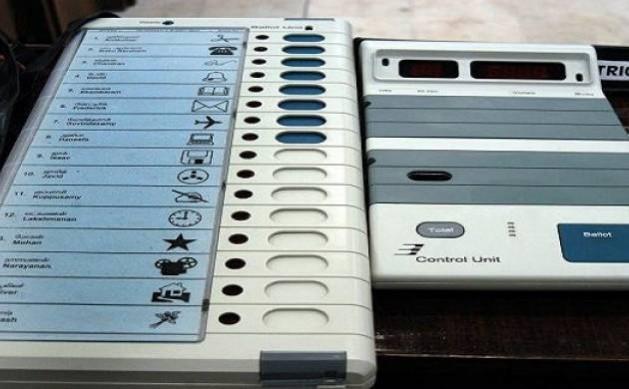
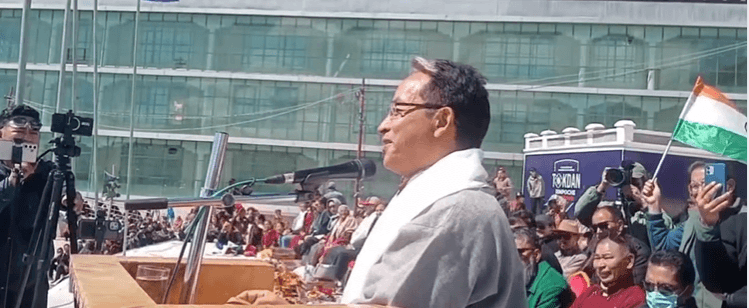
Climate activist Sonam Wangchuk has accused the Ladakh administration of wasting public money by proceeding with the Ladakh Autonomous Hill Development Council (LAHDC) elections during the harsh winter season. He has questioned the decision to spend an estimated Rs 60 crore to bring voters back to the Union Territory, arguing that the funds could instead support employment and address pressing local concerns.
The controversy has intensified as protests continue in Leh over the timing and structure of the upcoming elections. Wangchuk, a prominent member of the Leh Apex Body (LAB), has called on the authorities to reconsider their approach and respond to the concerns raised by residents.
Wangchuk Questions Rs 60 Crore Election Expenditure
In a social media post on November 25, Wangchuk criticised the administration's decision to conduct the elections despite temperatures dropping to minus 12 degrees Celsius. He described the polls as being imposed on the population and questioned whether holding them under such conditions would ensure meaningful democratic participation.
Wangchuk referred to an ongoing protest in which 12 people were reportedly sitting through the night in extreme cold. He said water in bottles and glasses had frozen at the protest site, highlighting the difficult conditions faced by demonstrators.
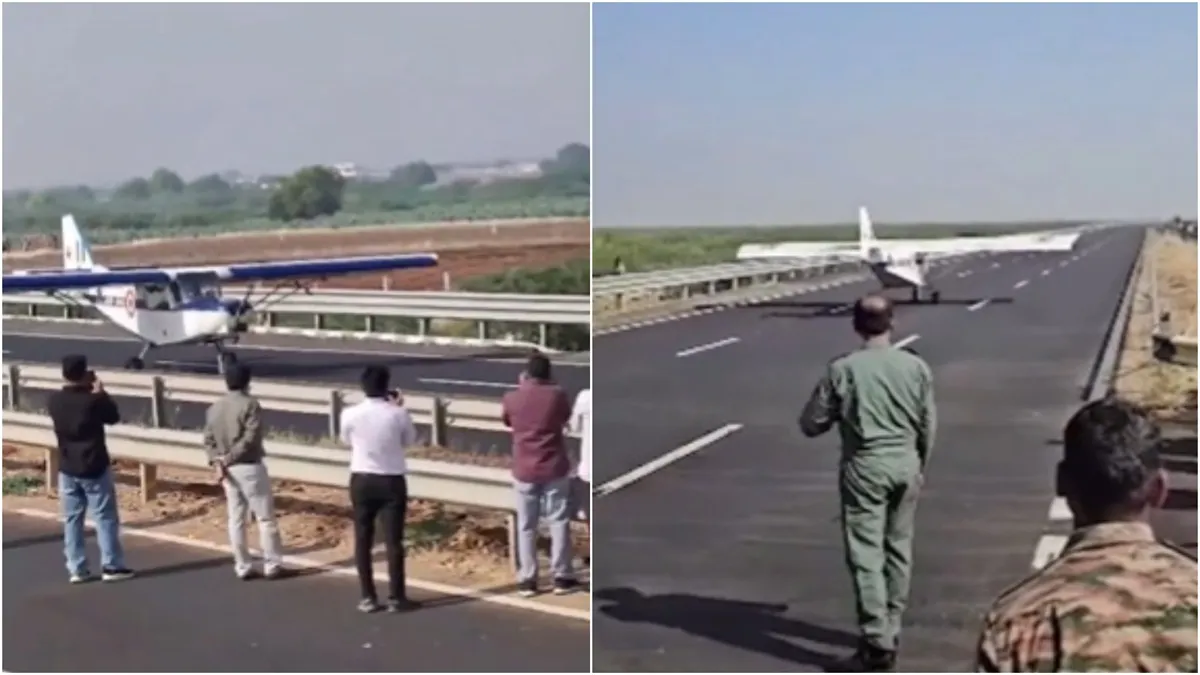
The activist also challenged an administrative plan involving Indian Air Force aircraft to transport Ladakhi residents from different parts of the country so they could participate in the elections.
According to Wangchuk, approximately 300 flights or sorties would be needed to bring back more than 40,000 people, potentially costing the public exchequer around Rs 60 crore. He argued that the money could be used to generate employment opportunities for unemployed young people in the region.
Winter Conditions Raise Concerns Over Voter Participation
Wangchuk has argued that holding elections in December could prevent many eligible residents from exercising their voting rights. He pointed out that more than 20,000 Ladakhi students are studying outside the Union Territory and that many residents leave the region as temperatures fall.
Citing flight data, he claimed that between 600 and 700 people were leaving Ladakh daily because of the severe weather.
The concerns centre on the region's difficult winter conditions, which can make travel challenging and limit access to polling stations. Critics of the election schedule have argued that conducting the polls during warmer months would allow more residents to participate without facing extreme weather or the expense of returning home during winter.
The administration, however, has continued preparations for the electoral exercise, maintaining the announced schedule.
Demand for Judicial Inquiry Report on Leh Violence
Alongside his objections to the elections, Wangchuk has demanded the public release of the judicial inquiry report into the violence that occurred in Leh on September 24, 2025.
The incident led to police action and the deaths of four people, according to the terms of the judicial inquiry ordered by the Union Home Ministry. The inquiry was assigned to former Supreme Court judge Justice B.S. Chauhan to examine the circumstances surrounding the law-and-order situation, police response and resulting deaths.
Wangchuk questioned why the findings had not yet been made public. He said the continuing protests were also driven by demands for accountability and justice for those who lost their lives.
His allegations regarding the events and the authorities' role remain claims made by the activist and have not been established as findings of the inquiry.
Political Discontent Continues in Ladakh
The dispute over the LAHDC elections reflects broader disagreements between Ladakh's civil society groups and the administration over political representation and governance.
The Leh Apex Body and other regional representatives have raised concerns about the election timing and the powers available to the hill councils. They have called for greater democratic participation and safeguards for the region.
With protests continuing amid freezing temperatures, the debate over election expenditure, voter access and transparency is adding pressure on the administration. The immediate challenge remains balancing the electoral schedule with residents' concerns about participation, public spending and accountability