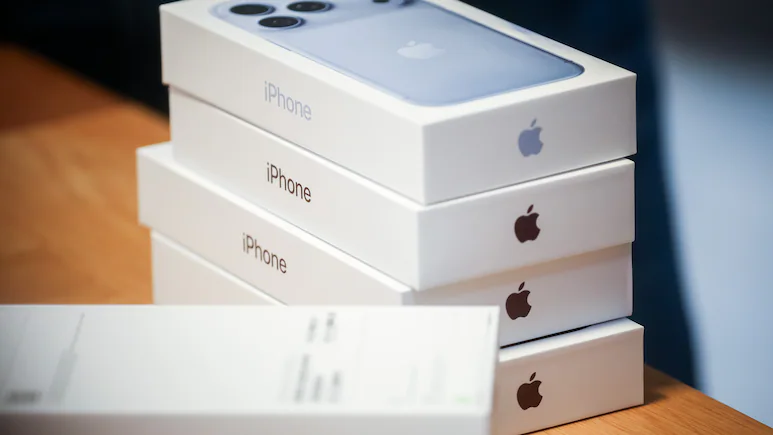
Apple is reportedly scaling back component orders for its latest premium smartphones as higher prices and increasing memory-chip costs put pressure on consumer demand. The move could signal a more cautious production strategy for the company as the global electronics industry faces rising expenses linked to growing demand for artificial intelligence infrastructure.
The reported adjustment affects the iPhone 18 Pro and iPhone 18 Pro Max. Suppliers are said to have received revised production expectations for October, with component orders reportedly falling by at least 15% compared with Apple's original plans.
The development comes shortly after the launch of the latest iPhone models and raises questions about whether higher prices are discouraging some customers from upgrading their devices.
Higher Prices Could Weigh on iPhone Demand
The latest iPhone Pro models occupy Apple's premium smartphone segment, where customers typically pay more for advanced cameras, powerful processors and additional software features.
However, higher production costs can make premium devices more expensive for consumers. When smartphone prices rise, buyers may delay replacing their existing phones or choose less expensive alternatives.
The reported order reduction suggests Apple may be adjusting its supply chain to better match anticipated demand. Such changes are common in consumer electronics, where manufacturers must estimate sales months in advance and coordinate component purchases with suppliers.
A reduction in orders does not necessarily mean that sales have collapsed. It can also reflect changes in inventory planning, updated forecasts or expectations about how demand will develop during the next few months.
AI Boom Pushes Up Memory Chip Costs
One of the major challenges facing electronics manufacturers is the growing demand for memory chips from artificial intelligence companies.
Large data centres require substantial quantities of high-performance memory to support AI training and computing workloads. As technology companies expand their infrastructure, semiconductor manufacturers face competing demand from data centre operators, smartphone producers and other electronics businesses.
This competition can put pressure on the availability and pricing of memory components used in consumer devices.
Smartphones increasingly depend on memory to support demanding applications, high-resolution photography, multitasking and AI-powered features. Manufacturers therefore have limited flexibility to reduce memory specifications without affecting device performance.
When component costs rise, companies must decide whether to absorb the additional expense, increase retail prices or adjust their production plans. Each option can affect profitability and customer demand.
Consumers Face More Expensive Technology
The reported production changes come amid broader concerns about the affordability of premium electronics. Smartphones, tablets and computers have become more sophisticated, but advanced components can also increase manufacturing costs.
For consumers, higher prices may encourage longer replacement cycles. Instead of purchasing a new phone every year or two, some buyers may continue using their existing devices for longer.
This behaviour can create challenges for manufacturers that depend on regular upgrades to maintain sales growth. Even customers who remain loyal to a particular brand may become more selective when deciding whether a new model offers enough improvements to justify the cost.
Price sensitivity can be particularly important in markets where consumers compare specifications and value carefully before buying a premium smartphone.
Apple's Supply Chain Faces a Changing Market
Apple works with a global network of suppliers to manufacture its devices. Changes in component orders can affect businesses involved in producing memory chips, processors, displays and other smartphone parts.
If demand remains below initial expectations, suppliers may need to revise production schedules and inventory levels. Conversely, a recovery in demand could lead to adjustments in the opposite direction.
The reported reduction also highlights the difficulty of forecasting demand in a market where consumer spending and component availability are changing simultaneously.
Apple's production decisions will depend on several factors, including customer response to the new models, the cost of components and the performance of competing smartphones.
The company has not publicly confirmed the reported order reductions, so the figures should be treated as supply-chain reports rather than an official statement of sales performance.
What Happens Next?
The coming months will provide a clearer picture of whether the reported slowdown represents a temporary adjustment or a longer-lasting shift in demand for premium smartphones.
Investors and industry observers will watch for updates on iPhone sales, supplier production levels and changes in memory-chip prices. The ability of semiconductor manufacturers to expand capacity may also influence the cost of producing future devices.
For Apple, the challenge is to maintain demand for its flagship phones while managing rising component expenses. For the wider smartphone industry, the situation demonstrates how investment in artificial intelligence can affect products far beyond data centres.
The reported production adjustment is not, on its own, proof of a major decline in Apple's business. However, it highlights the pressure that rising costs and changing consumer priorities can place on even the world's largest technology companies.