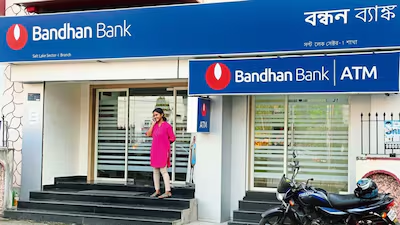
Bandhan Bank is planning to strengthen its wholesale banking business, expand credit card distribution and increase mutual fund sales as it prepares for a potential annual income reduction of around ₹200 crore from proposed changes to insurance distribution commissions.
The Kolkata-based lender expects the proposed framework from India’s insurance regulator to affect income earned from distributing insurance policies and other third-party financial products. Managing Director and Chief Executive Officer Partha Pratim Sengupta said the bank is reviewing its product mix and distribution strategy to reduce the potential impact.
The estimated shortfall depends on how the proposed rules are ultimately implemented. The bank is therefore working on alternative sources of fee-based revenue while seeking changes to the proposed commission structure.
Wholesale Banking Emerges as a Key Growth Area
Bandhan Bank is looking to generate more fee income from wholesale banking, particularly through trade finance and foreign exchange services. The business has already started contributing profits, providing the lender with an opportunity to diversify beyond traditional interest income and insurance distribution.
The bank plans to introduce additional products for wholesale customers and expand services that can generate recurring business fees. Management believes these activities could help compensate for part of the income affected by lower insurance distribution commissions.
Diversifying revenue sources is important because fee income can support profitability without relying entirely on lending margins. However, the extent to which the new businesses can replace the potential shortfall will depend on customer demand and the pace of expansion.
Credit Cards and Mutual Funds to Support Fee Income
The lender has also begun building its credit card business, launching the service earlier in 2026. According to management, approximately 34,000 cards had been distributed, with a target of at least one lakh cards by the end of the current financial year.
Credit cards can generate revenue through several channels, including transaction-related fees and other customer services. The business also creates opportunities to deepen relationships with existing banking customers, although its eventual contribution will depend on usage, operating costs and credit performance.
Bandhan Bank is simultaneously increasing its focus on mutual fund distribution. Unlike some insurance commission arrangements, mutual fund distribution can generate trail-based income over time as customers maintain their investments.
The bank is also discussing the development of group and individual insurance products with insurers as it reviews its distribution strategy.
Insurance Distribution Strategy Under Review
The proposed changes from the Insurance Regulatory and Development Authority of India (IRDAI) could reduce the commissions paid to banks and other intermediaries for distributing insurance products.
Bandhan Bank currently earns approximately ₹500–600 crore annually from third-party product distribution. Its income from this activity stood at around ₹155.5 crore in the July–September quarter of FY27, representing growth of approximately 26% year-on-year.
Management has submitted its initial observations directly to the regulator, arguing that commissions should reflect the work involved in distributing insurance products, along with associated technology and operating costs. Investments in technology are particularly relevant to improving distribution processes and preventing mis-selling.
The bank also plans to increase insurance distribution in smaller cities, particularly Tier-3 and Tier-4 locations, where it has an established presence and sees opportunities to improve commission income.
Profitability and the Road Ahead
Bandhan Bank reported a net profit of ₹622 crore for the September quarter of FY27, compared with ₹112 crore in the corresponding period a year earlier. The improvement provides a stronger earnings backdrop as the lender prepares for possible changes in its fee-income structure.
The potential ₹200 crore annual impact remains an estimate based on the proposed insurance distribution framework, rather than a confirmed reduction under finalised rules.
The bank’s ability to manage the change will depend on the final regulatory provisions and how quickly its alternative businesses expand. Wholesale banking, foreign exchange, trade finance, credit cards and mutual fund distribution are expected to play increasingly important roles in its efforts to diversify revenue and maintain earnings stability.