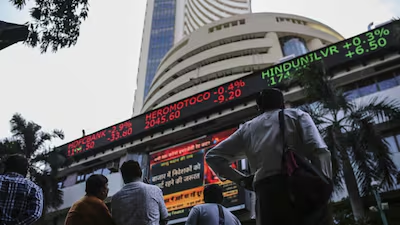
Indian stock markets opened lower on Monday, October 26, 2026, as selling pressure in information technology (IT) shares weighed on investor sentiment. The BSE Sensex and NSE Nifty 50 both traded in negative territory, extending the market’s recent weakness amid concerns over elevated crude oil prices, global uncertainty and the outlook for corporate earnings.
At the opening bell, the Sensex fell around 285 points, while the Nifty slipped below the psychologically important 22,500 level. The decline reflected continued caution among investors following a difficult week for domestic equities.
IT Stocks Weigh on Benchmark Indices
Information technology shares were among the biggest contributors to the early market decline. Investors reacted to concerns about demand in key overseas markets, particularly North America, as well as developments in the sector’s quarterly earnings.
Infosys faced selling pressure after lowering its annual revenue growth forecast, raising concerns about the near-term outlook for the IT services industry. Weakness in major technology stocks also affected sentiment across the broader sector.
The pressure on IT shares added to the challenges facing benchmark indices, as heavyweight companies have a significant influence on the overall market’s direction.
Other sectors also experienced selling, reflecting a cautious approach among traders. However, some banking and pharmaceutical stocks showed relative resilience, providing limited support to the market.
Rising Crude Oil Prices Add to Investor Concerns
Elevated international crude oil prices remained another important concern for Indian equities. Brent crude traded near $114 per barrel, keeping energy costs in focus despite some easing from recent highs.
India imports a substantial share of its crude oil requirements, making domestic economic conditions sensitive to changes in global oil prices. A prolonged period of expensive crude can increase the import bill, put pressure on inflation and raise costs for businesses that depend on energy and transportation.
Higher oil prices can also complicate the outlook for interest rates and corporate profitability. These risks have encouraged investors to remain cautious while assessing the sustainability of any market recovery.
Geopolitical tensions in West Asia have added to uncertainty over energy supplies, leaving oil prices and developments in the region among the factors being closely monitored by market participants.
Global Markets and Federal Reserve Decision in Focus
Investors are also preparing for the US Federal Reserve’s upcoming policy announcement on October 27–28. Although markets broadly expect the central bank to leave interest rates unchanged, its guidance on the future direction of monetary policy could influence global investment flows.
Changes in US interest-rate expectations can affect bond yields, the dollar and the attractiveness of emerging markets such as India. Any indication that borrowing costs could remain elevated for longer may weigh on investor appetite for equities.
Developments across Asian markets and the continuing corporate earnings season are also expected to influence trading during the week.
What Investors Will Watch Next
Market participants will look for signs of stability in IT shares, movements in crude oil prices and fresh earnings updates to assess the near-term direction of domestic equities.
The recent decline has also increased attention on market breadth and the performance of mid-cap and small-cap stocks, which can indicate whether selling pressure is limited to a few heavyweight companies or spreading across the broader market.
For now, the opening weakness in the Sensex and Nifty highlights the cautious mood on Dalal Street. The direction of global markets, foreign investment flows and upcoming economic developments will remain important factors in determining whether benchmark indices can recover or face further pressure.