US President Donald Trump has intensified his criticism of France’s immigration policies, blaming migrants for the unrest that has swept across the country and urging European governments to strengthen border controls and deportation measures. His remarks have triggered political debate over the causes of the demonstrations, with French leaders rejecting claims that immigration alone explains the violence.
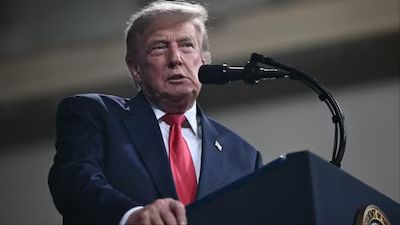
Speaking at the White House on October 20, Trump described the protests as a “full-on revolution” and warned that France and other European countries could face further instability if immigration policies remained unchanged. He argued that unchecked migration had contributed to the unrest and called for the removal of people he accused of participating in violent demonstrations.
The comments came as France faced widespread protests involving students and other demonstrators. Although some gatherings escalated into clashes, vandalism and looting, the movement also reflected concerns about education, living costs and public services.
Trump Blames Immigration for France’s Unrest
Trump presented the developments in France as a warning for other Western countries, arguing that governments needed to take a stricter approach to migration and public security.
He said European leaders should close their borders more firmly and remove people involved in criminal activity or violent protests. He also criticised French President Emmanuel Macron’s approach to immigration, claiming that the country was facing serious consequences from its policies.
The US president extended his criticism to other European nations, including Spain, Germany and the United Kingdom. His remarks formed part of a broader argument that immigration controls were essential to maintaining national stability.
However, Trump did not provide evidence establishing that immigration was the principal cause of the French demonstrations.
France Rejects Claims Linking Protests Directly to Migration
French President Emmanuel Macron pushed back against comments by foreign political leaders who attributed the unrest to immigration. He indicated that there was no established evidence of foreign interference behind the riots.
The French demonstrations initially involved high school students protesting concerns about educational conditions, including staff shortages, overcrowded classrooms and inadequate facilities. The movement subsequently expanded as broader economic frustrations brought additional groups into the streets.
Rising living costs, pressure on household budgets and dissatisfaction with public services also contributed to the wider atmosphere of discontent.
While some demonstrations descended into violence, the reasons people participated varied. Authorities have not established a direct link between immigration and the overall protest movement.
The distinction has become central to the political debate, with critics arguing that attributing the unrest primarily to migrants overlooks the economic and social concerns raised by demonstrators.
JD Vance Also Criticises European Immigration Policies
US Vice President JD Vance has echoed Trump's criticism, arguing that European governments have failed to address questions surrounding immigration, integration and social cohesion.
Vance suggested that the French unrest offered lessons for the United States ahead of the November midterm elections. His comments linked the events in Europe to the domestic debate over border security and immigration policy.
Other Republican figures have also used the French demonstrations to argue for stricter immigration controls. The issue has become a prominent part of political messaging as candidates prepare for the congressional elections.
The administration's position has drawn criticism from those who say the unrest should be understood through its specific domestic causes rather than used to support broader claims about migrants.
Protests Put Pressure on France’s Political Leadership
The unrest has created a significant challenge for the French government, forcing officials to respond to public demonstrations while addressing concerns about security and essential services.
Police operations, arrests and temporary restrictions have followed incidents of violence in several locations. Authorities have also faced pressure to protect public buildings and businesses affected by looting and vandalism.
At the same time, the original demands surrounding education and living standards remain part of the debate over how the government should respond.
France's political divisions have widened as different parties offer competing explanations for the unrest. Some emphasise immigration and law enforcement, while others focus on economic inequality, education funding and the cost of living.
Immigration Debate Extends Beyond France
Trump's intervention demonstrates how unrest in one country can influence political arguments elsewhere. By presenting France's difficulties as a warning for the United States, he has connected European developments to his administration's domestic priorities.
The debate also highlights the challenge facing governments attempting to distinguish peaceful protest from criminal acts while responding to public concerns about economic conditions.
For France, the immediate task remains restoring public order while addressing the grievances that have brought students and other demonstrators onto the streets. Whether the unrest produces lasting changes in immigration policy, education spending or wider economic measures will depend on decisions by French authorities in the coming months.