Air pollution in Delhi-NCR has become a growing concern as worsening air quality puts pressure on authorities to strengthen measures against toxic emissions. The Graded Response Action Plan (GRAP) provides a series of emergency restrictions that become progressively stricter as pollution levels rise, targeting construction dust, vehicle emissions and other major sources of pollution.
Under Stage III, authorities can introduce additional restrictions on construction and demolition activities, certain vehicles and other pollution-generating operations. The objective is to reduce emissions quickly and prevent air quality from deteriorating further during the winter pollution season.
Delhi’s Air Quality Nears Severe Levels
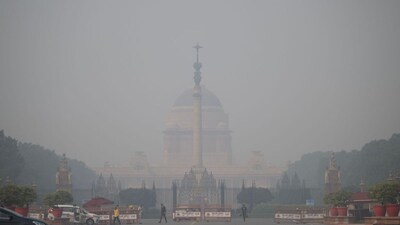
Delhi’s pollution levels have climbed sharply in recent days, with the city’s overall Air Quality Index (AQI) reaching 389 on the morning of November 6. The reading placed the capital in the ‘very poor’ category, while several monitoring stations reported pollution levels in the severe range.
The Times of India
Unfavourable weather conditions, low wind speeds and the accumulation of pollutants near the ground have contributed to the deterioration. Seasonal crop-residue burning, vehicle emissions, construction dust and industrial activity also add to the pollution burden across the National Capital Region.
The worsening conditions have raised concerns about respiratory health, particularly among children, older people and those with asthma or other lung conditions.
What Restrictions Are Included Under GRAP-III?
Stage III of the Graded Response Action Plan is designed for severe air pollution and introduces additional measures beyond those already implemented under Stages I and II.
Key restrictions can include:
- Construction and demolition: Restrictions on non-essential construction and demolition work to reduce dust emissions, subject to specified exemptions.
- Vehicle restrictions: Curbs on certain older or more polluting vehicles, depending on the applicable order and vehicle category.
- Schools: Authorities may consider hybrid classes for eligible students, particularly younger children, under the prescribed framework.
- Industrial activity: Greater scrutiny of polluting industrial operations and stricter enforcement of existing emission standards.
- Dust control: More intensive road cleaning, water sprinkling and monitoring of construction sites.
The exact restrictions depend on the official order issued by the Commission for Air Quality Management (CAQM).
Construction and Traffic Under Greater Scrutiny
Construction dust and vehicle emissions remain major concerns during Delhi-NCR’s winter pollution season. Authorities have already introduced additional preventive measures, including restrictions on dust-generating construction activities across the region from November 5 to November 20, 2026, with exemptions for essential infrastructure and other critical projects.
A separate direction requires government and private offices in Delhi and specified NCR districts to operate with up to 50% of staff attending physically during the same period, with the remaining employees working from home, subject to exemptions.
These measures aim to reduce emissions before pollution levels rise further during the season’s historically vulnerable period.
How Air Pollution Can Affect Health
Prolonged exposure to polluted air can cause coughing, throat irritation, breathing difficulties and worsening asthma symptoms. Fine particulate matter, particularly PM2.5, can penetrate deep into the lungs and may contribute to cardiovascular and respiratory problems.
Residents are advised to limit strenuous outdoor exercise when pollution levels are high, follow official health advisories and use a well-fitting N95 mask when outdoor exposure is unavoidable. People experiencing significant breathing difficulty should seek medical attention.
What Happens Next?
The coming days will be important in determining whether Delhi-NCR needs further emergency measures. Authorities will monitor AQI readings, weather forecasts and pollution sources to decide whether additional restrictions are necessary.
An important distinction: Available reports for November 6 confirm that Delhi’s AQI reached 389 and that GRAP-II measures were in force. I could not independently verify an official order confirming that GRAP-III had been formally activated at that time. The specific restrictions currently in force should therefore be checked against the latest CAQM notification.