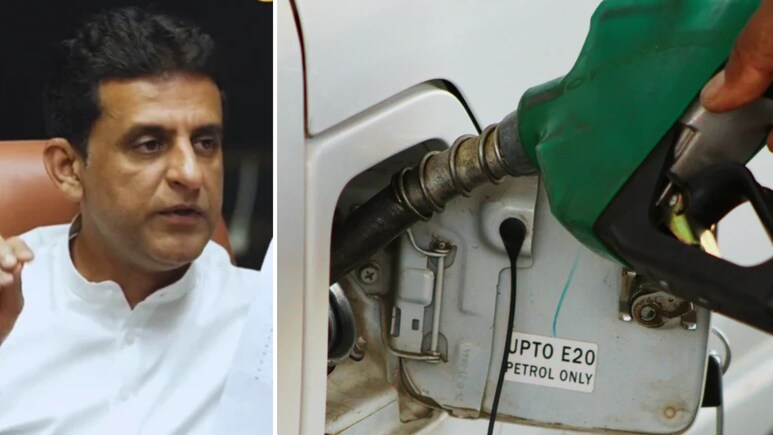
E20 petrol contains up to 20% ethanol blended with petrol. India has expanded ethanol blending as part of its strategy to reduce dependence on imported crude oil, support domestic ethanol producers and lower certain emissions.
However, the Karnataka government has questioned whether fuel containing ethanol above the prescribed limit could create problems for vehicles designed to operate with lower blends.
According to Minister Rizwan Arshad, higher-than-permitted ethanol concentrations could affect vehicle performance, fuel efficiency and certain engine or fuel-system components. He also raised concerns about whether existing fuel-dispensing infrastructure is adequately equipped to handle higher ethanol blends.
Vehicle compatibility depends on factors such as the model, manufacturing year, engine design and materials used in the fuel system. The state’s concerns therefore centre not only on the ethanol-blending policy itself but also on whether the fuel supplied to consumers complies with the applicable standard.
The Union government has defended the E20 programme, maintaining that it has been scientifically assessed and monitored. The impact of the reported excess concentrations will require further examination by the relevant authorities.
Karnataka Seeks Compensation Fund for Motorists
The state government has demanded the creation of an E20-related compensation fund to help consumers whose vehicles are damaged because of petrol containing ethanol above the permitted limit.
It has called for action against oil marketing companies if violations are established and wants a time-bound mechanism through which affected motorists can seek compensation.
The government has also proposed mandatory display of ethanol-blending percentages at petrol stations. This would allow consumers to know the composition of the fuel they are purchasing.
Another demand is to provide motorists with a choice between different petrol blends, including E10 and E20, wherever technically and legally feasible.
The state argues that clearer labelling and greater transparency would help consumers make informed decisions, particularly those who own older vehicles.
Government Estimates ₹1.01 Lakh Crore Burden on Consumers
Arshad cited a Karnataka government estimate suggesting that motorists could face a combined annual financial burden of approximately ₹1.01 lakh crore from reduced mileage and vehicle repair costs.
The estimate includes ₹62,000 crore attributed to a potential 10% reduction in mileage and another ₹39,000 crore in estimated repair expenses.
These figures are estimates presented by the state government, rather than independently verified measurements of actual nationwide losses. Their assumptions and calculations would need independent assessment before they could be treated as established costs.
The minister argued that consumers should not be left to bear additional expenses if investigations establish that fuel supplied to them failed to meet the prescribed standards.
Centre Asked to Explain Reported Over-Blending
Karnataka has called on the Union government to clarify how petrol with ethanol concentrations above 20% may have reached retail outlets. The state has indicated that it will continue testing fuel samples and pursue enforcement action where violations are established.
The findings could prompt closer scrutiny of fuel quality controls, laboratory reporting and monitoring across the supply chain. However, further investigation will be needed to determine the causes of the reported readings and whether they reflect isolated cases or a wider problem.
For consumers, the key questions are whether the fuel being sold complies with the E20 standard, how authorities will respond to any confirmed violations and what protection will be available if vehicle damage can be linked to non-compliant fuel.
The controversy has placed renewed focus on the need for transparent fuel-quality testing, clear consumer information and accountability throughout India’s ethanol-blending programme.