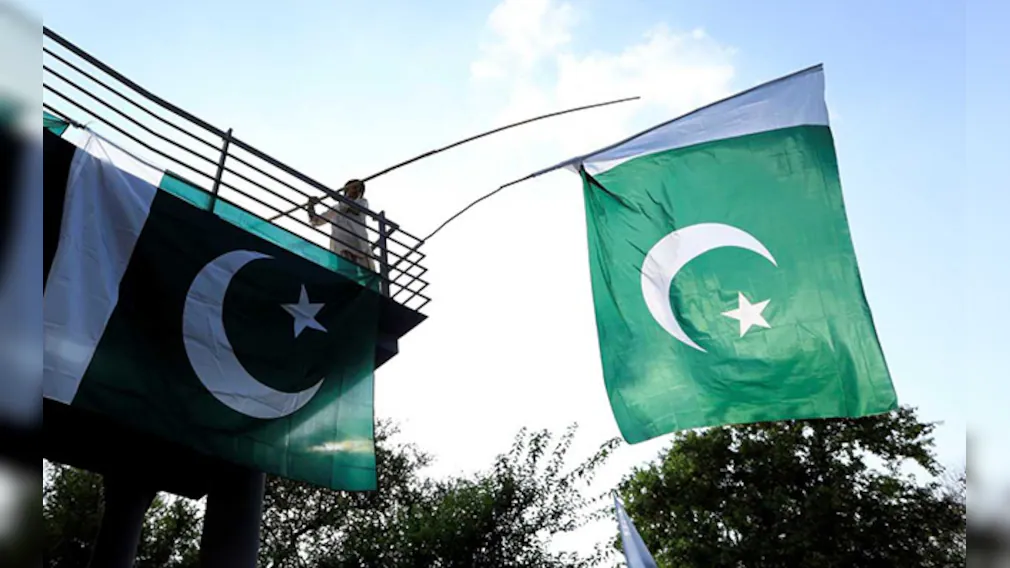
Pakistan’s decision to suspend trade with India has reportedly cost its economy an estimated $40 billion since 2019, highlighting the financial consequences of allowing political and security tensions to outweigh commercial interests. The disruption has forced Pakistani businesses to source essential goods from more distant markets, increasing transportation expenses, supply delays and production costs.
The estimate was cited by Noor Muhammad Qasuri, chairman of the Pakistan-India Business Council, who has urged both countries to restore commercial relations. His appeal has renewed debate over whether Pakistan’s political and military leadership is willing to reconsider a policy that has placed additional pressure on an already struggling economy.
How the Trade Breakdown Hurt Pakistan
Trade between India and Pakistan was already restricted by tariffs, import limitations and longstanding political disagreements. Relations deteriorated further in 2019 after India revoked Jammu and Kashmir’s special constitutional status. Pakistan subsequently halted bilateral trade, sharply reducing direct commercial exchanges between the neighbours.
The economic consequences have extended beyond lost export opportunities. Pakistani businesses that previously obtained products and raw materials from India have increasingly turned to suppliers in other countries, often paying more for freight and taking longer to receive shipments.
According to estimates cited by trade analysts, Indian goods worth approximately $10 billion may still reach Pakistan indirectly each year through commercial hubs such as Dubai, Singapore and Colombo. Such arrangements allow businesses to obtain products despite restrictions, but additional intermediaries and transportation can increase costs.
This indirect trade also raises questions about the effectiveness of restrictions that make legitimate commerce more expensive without necessarily eliminating demand for neighbouring countries’ goods.
Cement Industry Faces Mounting Pressure
Pakistan’s cement industry illustrates the difficulties created by a combination of restricted markets and weakening demand. The sector expanded during periods of infrastructure development, including projects associated with the China-Pakistan Economic Corridor. However, declining export opportunities and pressure on domestic consumption have created challenges for producers.
Pakistan has traditionally exported cement to markets including Afghanistan, Bangladesh, Sri Lanka, Madagascar and Somalia. Border disruptions and difficulties accessing overseas markets have complicated the industry's position.
An expanded trading relationship with India could potentially offer producers another nearby market, although any revival would depend on political decisions, commercial arrangements and demand conditions.
The sector also has connections to influential business and political interests. As companies face declining profitability and seek new customers, pressure may grow on Pakistan’s leadership to reconsider restrictions that limit access to regional markets.
Sugar and Cotton Add to the Economic Strain
Pakistan’s sugar industry is another example of how domestic policy decisions and restricted export opportunities can combine to create financial difficulties.
The country has reportedly accumulated a substantial sugar surplus, with industry representatives pointing to financial losses of around 98 billion Pakistani rupees and falling prices. Access to additional markets could help producers sell excess supplies, improve cash flow and settle outstanding payments to farmers.
However, the industry’s difficulties intersect with a wider agricultural problem: the decline of cotton cultivation.
Farmers in traditional cotton-growing regions have increasingly shifted towards sugarcane, while weak enforcement of crop-zoning rules has contributed to reduced cotton acreage and output. This has placed additional pressure on Pakistan’s textile industry, which remains heavily dependent on cotton.
As domestic supplies decline, textile manufacturers must purchase more cotton from overseas markets. The result is higher production costs and greater pressure on an industry that is important to Pakistan’s export earnings.
Why Military Influence Matters
Pakistan’s economic difficulties cannot be attributed entirely to the suspension of trade with India. Domestic policy choices, agricultural challenges, weak export performance, political instability and financial pressures have also contributed to the country's problems.
Nevertheless, the trade dispute highlights a broader question about how Pakistan’s national priorities are determined.
The military has exercised considerable influence over the country’s political and security decisions for decades. Critics argue that persistent emphasis on the perceived threat from India has restricted the scope for economic cooperation, even when businesses on both sides could benefit from closer commercial ties.
Elected leaders also face significant political risks when attempting to normalise relations. Any effort to restore trade can become entangled in questions of national security, Kashmir and domestic political competition.
This makes economic pragmatism difficult, even when commercial interests favour a less confrontational approach.
Can Economic Interests Break the Deadlock?
Restoring bilateral trade could reduce sourcing and transportation costs, improve access to raw materials and create opportunities in sectors such as pharmaceuticals, textiles, agriculture and petroleum products. Greater commercial engagement could also support tourism, investment and employment across the region.
However, the reported $40 billion loss remains an estimate attributed to a business advocacy representative, rather than an independently verified accounting of every economic consequence of the trade suspension.
Ultimately, the challenge extends beyond calculating financial losses. Pakistan must decide whether maintaining restrictions serves its long-term economic interests or whether a more pragmatic approach would better support businesses and ordinary citizens.
A meaningful shift would require political leadership capable of separating economic cooperation from unresolved security disputes. Without that change, the costs of prolonged hostility may continue to fall disproportionately on industries, workers and consumers, while the prospects for regional economic integration remain limited.