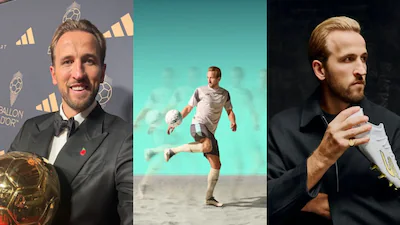
Harry Kane is challenging conventional expectations about ageing in professional football. At 33, the Bayern Munich striker says he feels physically stronger and faster than ever, crediting a carefully managed training schedule, consistent recovery habits and a better understanding of his body for his continued improvement.
The England captain’s approach reflects a broader shift in elite sport, where longevity increasingly depends on balancing intense training with rest, nutrition and injury prevention. Rather than simply working harder, Kane has learned to adjust his preparation according to the demands of the football season.
His remarkable 2025–26 campaign, during which he scored 73 goals for club and country, culminated in winning the 2026 Ballon d’Or. The achievement has further highlighted the effectiveness of his approach to maintaining performance at the highest level.
1. Recovery Takes Priority Over Extra Training
One of the biggest changes Kane has made during his thirties is recognising when to reduce training intensity. Earlier in his career, he was more inclined to continue practising even after regular team sessions. He now places greater emphasis on managing his workload.
Kane has explained that he adjusts his additional shooting practice according to his physical condition and the number of matches scheduled. During demanding periods, he may complete fewer repetitions to preserve energy for upcoming games.
Professional footballers frequently compete every three or four days, leaving limited time for extensive training between fixtures. For Kane, remaining available for selection and maintaining consistent performance are more important than adding unnecessary work.
This approach allows him to manage fatigue while preserving the sharpness required for matches.
2. Sleep Is a Key Part of His Routine
Kane considers adequate sleep one of the most important elements of recovery. Rest gives the body time to recover from physical exertion and supports concentration, decision-making and overall performance.
His emphasis on sleep reflects the demands of a professional season, when international travel, training and frequent matches can place considerable pressure on players.
Recovery is not limited to the hours spent at a training ground. Consistent rest and a structured daily routine help athletes prepare for the next performance.
3. Strength Training Supports His Performance
Kane combines football practice with gym sessions designed around the team's schedule. His training includes lower-body strength work, upper-body exercises, acceleration drills and deceleration practice.
These sessions serve different purposes. Strength training helps support physical performance, while acceleration and deceleration drills prepare players for the repeated bursts of movement required during matches.
His weekly programme varies according to fixture timing. When there is a full week between games, the early part of the week generally allows more intensive physical work. Later sessions focus increasingly on tactical preparation and readiness for the next match.
During congested periods, the emphasis shifts towards playing, recovering and maintaining fitness without accumulating unnecessary fatigue.
4. Nutrition Helps Fuel a Demanding Season
Kane has also highlighted the importance of understanding nutrition and adjusting food intake to suit training demands.
His approach includes paying attention to carbohydrates for energy and protein to support muscle recovery. The amounts needed can vary depending on the intensity of training, match schedules and individual requirements.
Nutrition has become an increasingly important part of professional football, with players and their support teams using research and individual monitoring to refine their routines.
For Kane, these adjustments form part of a long-term effort to maintain consistency rather than relying on short-term changes.
5. Ice Baths, Mobility Work and Treatment
Kane's recovery routine includes ice baths, stretching, mobility exercises, infrared sauna sessions and specialist treatment. He has also spoken about using electrical neurofunctional acupuncture, a treatment he says has been part of his routine for approximately six years.
These methods sit alongside sleep, nutrition and workload management in his overall preparation. Their usefulness can vary between individuals, and they are not substitutes for appropriate medical care or sufficient rest.
The central principle behind his routine is to give his body the support needed to recover between demanding sessions and matches.
6. Experience Has Changed His Approach to Longevity
Kane believes athletes can remain competitive well into their thirties if they continue to adapt and maintain the motivation to improve. He has pointed to established players such as Cristiano Ronaldo, Lionel Messi and Luka Modrić as examples of careers extending beyond traditional expectations.
His own performances provide a compelling illustration of continued development. Kane's recent success has involved not only scoring goals but also contributing to build-up play, creating opportunities and understanding when to move into different areas of the pitch.
Winning the 2026 Ballon d’Or represents a major milestone in that journey. For Kane, the focus remains on improving, maintaining his fitness and continuing to compete for major trophies with Bayern Munich and England.