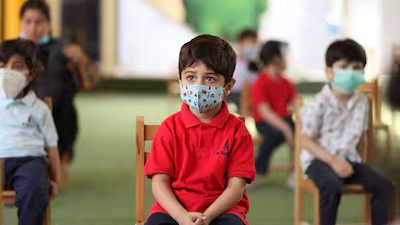
Children exposed to persistent air pollution may face long-term health consequences even when they appear healthy and show no obvious breathing difficulties. As smog and fine-particle pollution affect cities across India, health experts are warning that exposure during childhood can interfere with lung development and increase the risk of respiratory problems later in life.
Children are particularly vulnerable because their lungs and immune systems are still developing. They also breathe more air relative to their body weight than adults, potentially exposing them to higher doses of airborne pollutants. The effects may accumulate over time, making childhood air quality an important public health concern.
How Air Pollution Affects Growing Lungs
Air pollution contains several harmful substances, including fine particulate matter known as PM2.5, larger particles such as PM10, nitrogen dioxide and ground-level ozone. These pollutants can enter the respiratory system and trigger inflammation.
PM2.5 is particularly concerning because its tiny particles can travel deep into the lungs. Repeated exposure may affect normal lung development and reduce lung function, potentially increasing vulnerability to respiratory illnesses.
Children’s lungs continue developing throughout childhood and adolescence. Exposure to polluted air during these stages can interfere with the development of airways and the tiny air sacs responsible for transferring oxygen into the bloodstream.
The consequences are not necessarily obvious at first. A child may continue playing, attending school and participating in daily activities while experiencing effects that are difficult to recognise without medical assessment.
Increased Risk of Asthma and Respiratory Infections
Research has linked exposure to air pollution with a greater risk of respiratory problems in children, including asthma symptoms and respiratory infections.
Pollutants can irritate the airways and aggravate existing asthma. Children who are sensitive to airborne particles may experience coughing, wheezing, chest tightness or breathing difficulties when pollution levels rise.
Air pollution has also been associated with infections affecting the respiratory tract. Fine particles and other pollutants can disrupt the lungs’ protective mechanisms, potentially making it harder for the respiratory system to remove irritants and defend against harmful organisms.
The risks are especially important for infants and young children, whose airways are smaller and whose immune systems are still developing.
However, exposure does not mean every child will develop a respiratory condition. Individual outcomes depend on several factors, including the level and duration of exposure, existing health conditions and other environmental influences.
Early Exposure May Have Consequences in Adulthood
The effects of polluted air are not limited to immediate symptoms. Health experts warn that reduced lung development during childhood may influence respiratory health later in life.
Children who experience prolonged exposure may face an increased risk of impaired lung function and chronic respiratory conditions as adults. Early exposure can also contribute to a greater burden of respiratory illness over time.
Air pollution during pregnancy is another area of concern. Exposure to harmful pollutants has been associated with adverse effects on foetal development, including potential impacts on the developing respiratory system.
Researchers continue to investigate the precise relationship between different levels of exposure and long-term health outcomes. Although the risks are well established, the extent of harm varies between individuals and locations.
Air Pollution May Affect More Than Breathing
The potential health consequences extend beyond the lungs. Fine particles and other pollutants have been associated with effects on cardiovascular health and neurological development.
Children’s brains and blood vessels are still developing, making early-life exposure an important subject of ongoing research. Some studies have linked prolonged exposure to poorer cognitive outcomes, although the influence of social, educational and environmental factors must also be considered.
These concerns reinforce the importance of reducing children’s overall exposure to polluted air rather than focusing exclusively on visible respiratory symptoms.
Steps to Reduce Children’s Exposure
Reducing pollution at its source remains the most effective long-term solution. Cleaner transport, better dust control, reduced industrial emissions and cleaner household cooking fuels can all contribute to improved air quality.
Families can also take practical precautions during periods of heavy pollution:
- Check local air-quality readings before planning strenuous outdoor activities.
- Reduce prolonged outdoor exercise when pollution levels are particularly high.
- Keep indoor environments as clean as possible and avoid smoking or burning materials indoors.
- Where appropriate, use a properly sized air purifier with a high-efficiency particulate filter.
- Seek medical advice if a child develops persistent coughing, wheezing or unusual difficulty breathing.
Children with asthma or other respiratory conditions may need additional precautions recommended by their healthcare professionals.
Protecting Children’s Health Requires Long-Term Action
The absence of visible symptoms does not necessarily mean that polluted air is harmless. Repeated exposure during critical stages of development may affect lung growth and increase the risk of health problems later in life.
Improving air quality, monitoring pollution levels and protecting children during periods of heavy smog are therefore important public health priorities. Reducing exposure now can help safeguard children’s respiratory health as they grow.