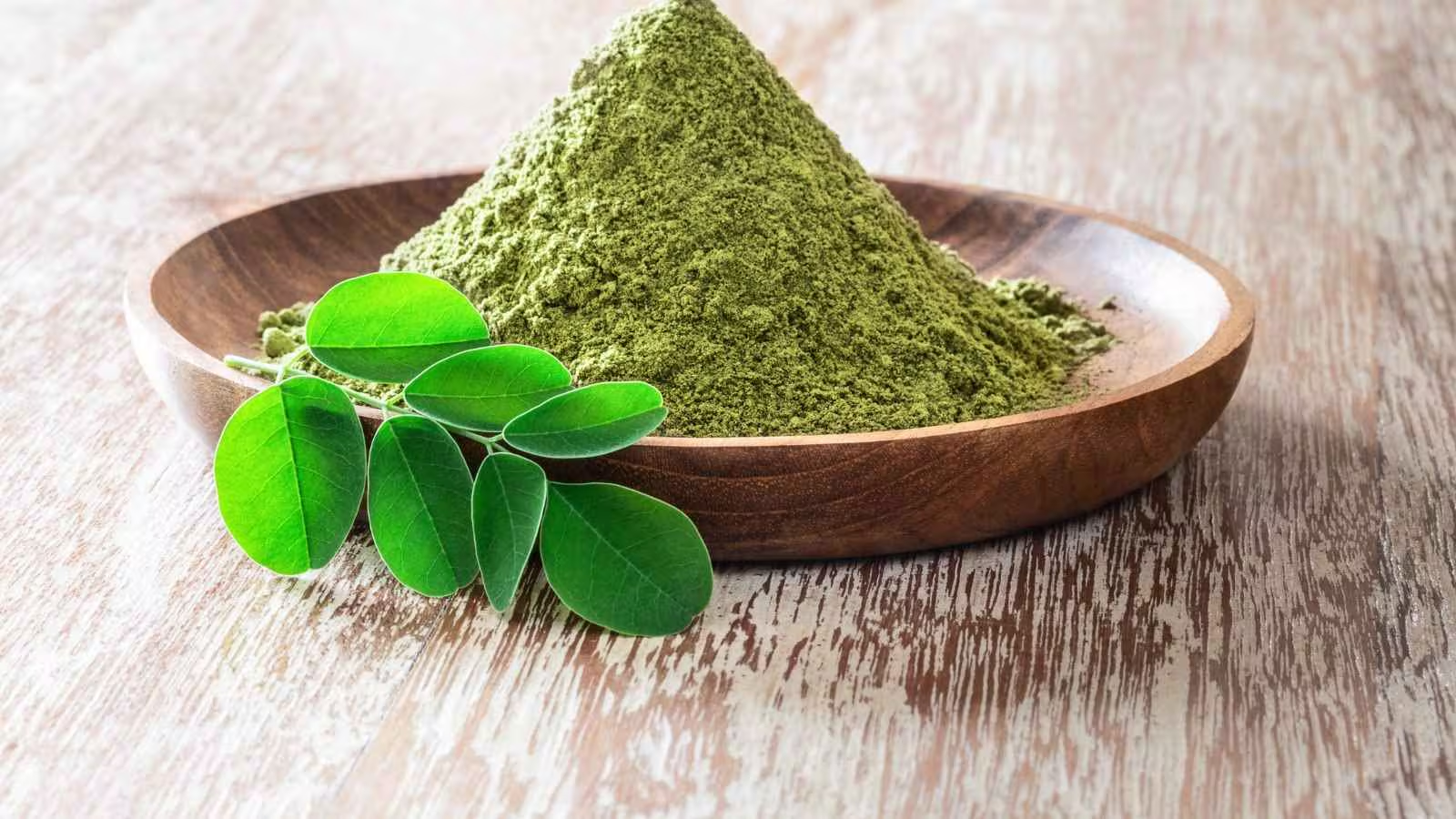
Moringa, commonly known as sahjan in India, is a nutrient-rich plant that has long been used in traditional cooking. Its leaves and pods feature in a variety of everyday dishes, from dals and vegetable curries to soups and chutneys. With growing interest in balanced eating, moringa is gaining attention as a simple ingredient that can add variety and valuable nutrients to daily meals.
Moringa leaves contain vitamins, minerals, plant compounds and antioxidants. They can contribute to a balanced diet, although claims that moringa can prevent or cure specific diseases are not yet supported by sufficient high-quality human research.
The good news is that incorporating moringa into everyday food does not require major changes to established eating habits. Here are six practical ways to enjoy it.
1. Add Moringa Leaves to Dal and Curries
One of the easiest ways to eat moringa is to mix fresh leaves into familiar Indian dishes. Wash the leaves thoroughly, remove any tough stems and add them to dal, sambhar or vegetable curry while cooking.
The leaves provide colour and a distinctive, slightly earthy flavour. They pair well with lentils, tomatoes, garlic, cumin and other commonly used spices.
This method is particularly convenient because moringa becomes part of a regular meal rather than requiring a separate preparation.
2. Blend Moringa Into Smoothies
Moringa can also be incorporated into fruit smoothies. Fresh leaves or a small amount of food-grade moringa leaf powder can be blended with banana, mango or other preferred fruits.
The sweetness of the fruit helps balance moringa's naturally grassy and slightly bitter taste. Milk, yoghurt or a suitable plant-based alternative can be added to create a creamier consistency.
However, moringa smoothies should complement a varied diet rather than replace balanced meals.
3. Prepare Moringa Leaf Tea
For those who prefer a warm drink, moringa leaf tea is another option. Dried moringa leaves can be steeped in hot water and strained before serving.
A squeeze of lemon can add freshness, while a small amount of honey may be used for sweetness if desired.
Although the drink is easy to prepare, it should not be considered a detox treatment or a substitute for medical care. Its nutritional contribution depends on the ingredients and quantity consumed.
4. Make Moringa Chutney
Moringa leaves can be turned into a flavourful chutney that accompanies everyday meals. Lightly cook the washed leaves with ingredients such as garlic, green chillies and cumin, then blend them with a little tamarind and salt.
The resulting chutney can be served with idli, dosa, rice or chapati. Coconut or roasted lentils can also be included to adjust the texture and flavour.
This approach is useful for people who enjoy traditional Indian condiments and want to experiment with additional leafy vegetables.
5. Mix Moringa Into Roti and Paratha Dough
Another practical option is to add finely chopped moringa leaves to wheat flour while preparing roti or paratha dough. A small quantity of leaf powder can also be mixed into the flour.
Combine the ingredients with water and knead as usual. Spices such as ajwain, cumin or chilli powder can help complement the leaves' earthy taste.
These rotis and parathas can be served with curd, dal or vegetable dishes, making moringa easy to include in familiar meals.
6. Use Moringa in Soups and Stir-Fried Vegetables
Moringa leaves work well in soups, vegetable stir-fries and other one-pot dishes. Add washed leaves to vegetable soup near the end of cooking, or lightly sauté them with onions, garlic and seasonal vegetables.
Drumstick pods can also be cooked in sambhar and curries. Both the leaves and pods can contribute nutrients and dietary fibre as part of a varied eating pattern.
Using moringa alongside other vegetables, pulses and whole grains helps maintain a broader range of nutrients in the diet.
Important Precautions Before Eating Moringa
Moringa can be a useful food ingredient, but consuming large amounts may cause digestive discomfort, including diarrhoea or stomach cramps. Start with a modest food portion and adjust according to tolerance.
Choose food-grade products made from moringa leaves, and avoid consuming the roots or bark. People who take medication for diabetes or high blood pressure, or who use other regular medicines, should consult a healthcare professional before using concentrated supplements. Those who are pregnant or breastfeeding should also seek appropriate medical advice before using moringa products.
The Bottom Line
Moringa offers several convenient ways to add variety and nutrients to everyday meals. From dal and chutney to smoothies, tea, parathas and soups, it can fit naturally into many Indian food traditions.
Rather than relying on moringa as a miracle ingredient, the most sensible approach is to use it alongside a balanced diet that includes a variety of vegetables, fruits, pulses and whole grains.