Greater Noida, (Uttar Pradesh) [India]: The modern interior design industry is undergoing a noticeable transformation as homeowners increasingly move beyond purely aesthetic spaces toward environments that prioritize comfort, functionality, and emotional connection.
Today, interior design is no longer limited to stylish furniture, color palettes, or visually appealing layouts. Modern consumers are looking for spaces that reflect their lifestyles, routines, personalities, and everyday needs.
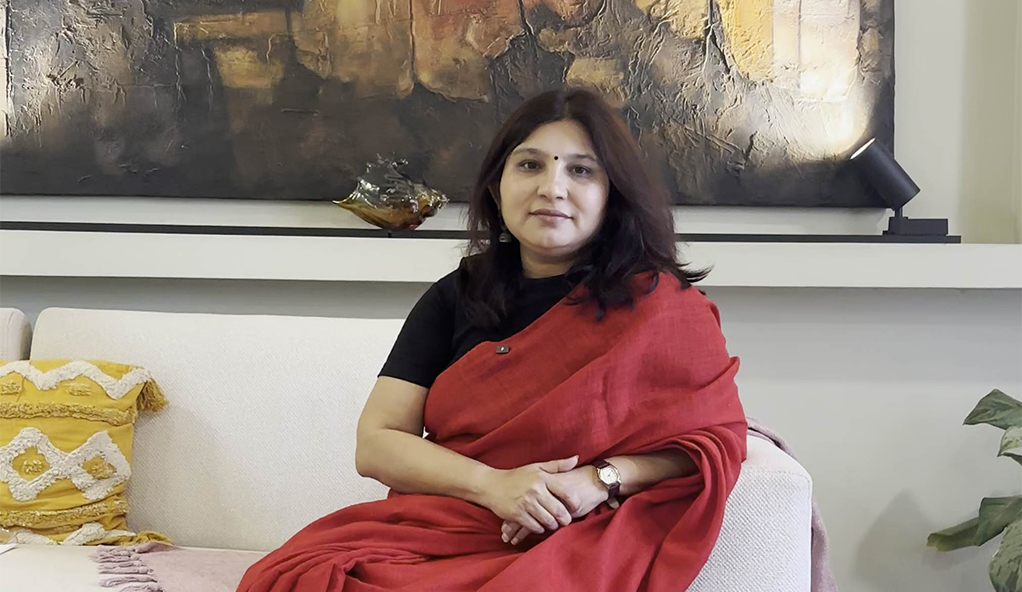
This evolving philosophy is strongly reflected in the work of Smita Nigam, founder of Smita Nigam The Dream Home Designer LLP, who has spent more than 12 years designing residential and office spaces across metro cities with a people-first approach to design.
Interior Design Shifting Toward Lifestyle-Centric Spaces
Industry experts believe the definition of a “well-designed space” has changed significantly in recent years.
Earlier, interior design often focused heavily on:
Visual presentation
Luxury aesthetics
Decorative elements
Trend-based styling
However, modern homeowners and businesses now increasingly prioritize:
Practical functionality
Emotional comfort
Personalized layouts
Ease of daily living
Design professionals note that spaces today are expected to support how people actually live and work rather than simply appear visually impressive.
Design Process Begins with Understanding People
According to Smita Nigam, every project begins not with materials or furniture selection, but with understanding the people who will use the space.
Her design approach reportedly focuses on questions such as:
How does the family spend time together?
Does the client work from home?
Are open layouts preferred over private corners?
How should the space support daily routines?
Industry observers believe this personalized approach is becoming increasingly important as consumers seek homes that feel emotionally connected rather than overly staged.
Rather than relying entirely on trending aesthetics, the emphasis is placed on creating spaces that align naturally with the lifestyle of the occupants.
Homes Now Designed for Comfort and Everyday Living
Modern residential design increasingly focuses on creating environments that feel:
Warm
Functional
Relaxing
Effortless to navigate
Experts note that subtle elements such as:
Furniture positioning
Lighting placement
Open movement areas
Storage planning
can significantly influence how comfortable a home feels on a daily basis.
According to design professionals, the most successful interiors are often those where functionality integrates seamlessly with visual appeal without overwhelming the space.
Smita Nigam’s residential projects reportedly focus on balancing aesthetic quality with livability, ensuring spaces support everyday routines naturally.
Office Spaces Evolving Beyond Traditional Corporate Design
Workplace interiors are also witnessing major changes, especially with the rise of:
Hybrid work culture
Flexible workspaces
Collaborative office environments
Employee wellbeing-focused design
Modern office design now prioritizes:
Productivity
Focus
Comfort
Team interaction
Reduced visual fatigue
Industry experts believe offices today must balance professional functionality with a more human-centered atmosphere.
According to reports, Smita Nigam approaches office interiors by combining:
Clean layouts
Functional planning
Minimal visual clutter
Practical workspace flow
to create productive yet comfortable environments.
Interior Design Becoming More Emotionally Connected
Design analysts suggest one of the biggest shifts in modern interior design is the growing emotional role spaces play in people’s lives.
Consumers increasingly want environments that:
Reduce stress
Improve daily comfort
Reflect personal identity
Create emotional calmness
As urban lifestyles become faster and more digitally driven, thoughtfully designed physical spaces are becoming increasingly valuable for emotional wellbeing and quality of life.
Experts believe this trend is driving demand for designers who focus on personalization rather than template-based aesthetics.
India’s Interior Design Industry Witnessing Rapid Growth
India’s interior design and home improvement industry continues expanding rapidly due to:
Rising urban housing demand
Growth of premium residential projects
Increasing awareness around lifestyle design
Expansion of home renovation culture
Work-from-home infrastructure changes
Industry reports suggest homeowners are now investing more consciously in:
Functional interiors
Modular design systems
Smart space planning
Wellness-focused environments
The market is also seeing growing demand for designers who can combine aesthetics with long-term practicality.
Design Philosophy Focused on Simplicity and Balance
According to design experts, the most effective interiors are often not the loudest or most visually dramatic.
Instead, successful spaces tend to:
Feel intuitive
Support everyday routines naturally
Maintain visual balance
Create emotional ease
This growing preference for understated, functional luxury is shaping modern residential and commercial design trends across India.
Final Verdict
As interior design continues evolving beyond appearance-driven concepts, professionals like Smita Nigam are helping redefine spaces around comfort, functionality, and emotional connection.
By prioritizing how people actually live and interact with their environments, the industry is gradually shifting toward more human-centered design philosophies that focus not just on beauty, but on creating spaces that genuinely feel right.