US President Donald Trump has said his administration is reviewing two significantly different sets of intelligence assessments concerning Iran, declining to disclose details of one of them as Washington faces renewed concerns about potential threats to American personnel in the Middle East.
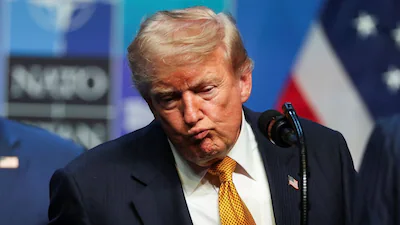
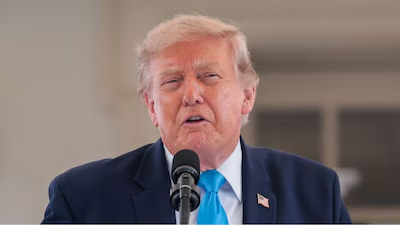
Speaking to reporters on October 25, Trump said the United States possessed extensive intelligence on Iran, with some information made public and other details remaining classified. He maintained that Washington was “doing very well” in its dealings with Tehran but did not explain the differences between the two assessments.
His remarks came after a warning from US intelligence officials that Iran had intensified efforts to target American personnel. The developments have added to uncertainty over whether the fragile pause in major hostilities between the United States and Iran will hold.
Trump Declines to Explain Differences in Intelligence Reports
Trump was questioned about an intelligence warning indicating that potential plots against US citizens had reached advanced stages. In response, he confirmed that his administration had received two distinct sets of intelligence reports.
The president did not reveal the contents of the second assessment or explain why the information differed. He said some intelligence had been declassified, while other material remained confidential.
The comments have raised questions about how US officials are evaluating the threat posed by Iran and what conclusions the administration is drawing from the available information.
Intelligence assessments can differ because agencies rely on different sources, collection methods and interpretations of events. Without further details from the administration, however, the specific reasons behind the differences cited by Trump remain unclear.
Intelligence Warning Raises Concerns Over American Personnel
The president's remarks followed a warning from Director of National Intelligence Jay Clayton, who said Iran had substantially increased efforts to target US personnel.
In a memorandum dated October 23 and sent to Secretary of State Marco Rubio, Clayton reportedly stated that plots against American citizens had reached advanced stages in the Middle East and other parts of the world. CIA Director John Ratcliffe was also copied on the communication.
The warning has prompted renewed attention to the security of American diplomatic missions and military personnel across the region.
US authorities have reviewed security arrangements as tensions remain elevated. Some diplomatic operations have faced staffing adjustments, while official advisories have urged Americans in parts of the Middle East to remain alert to potential risks.
The intelligence warning does not, by itself, establish that an attack is imminent. Officials have not publicly disclosed sufficient details to assess the precise nature, locations or timelines of the reported threats.
US-Iran Tensions Remain Unresolved
The latest statements come against the backdrop of a conflict involving the United States, Israel and Iran that has continued to shape regional security. Although major direct strikes have paused, disagreements over sanctions, military pressure and Iran's regional activities remain unresolved.
Washington and Tehran have also struggled to make progress towards a lasting diplomatic arrangement. Iranian officials have maintained that renewed military action would not force the country to abandon its established policies.
Iranian Foreign Minister Abbas Araghchi has said the country's position would remain unchanged whether the conflict resumes or not. Tehran has also argued that previous military operations have failed to achieve their intended political objectives.
The competing statements reflect the lack of agreement between the two governments over the conditions required to reduce tensions.
Military Options and Diplomacy Remain in Focus
The US administration continues to face decisions about how to respond to potential threats while managing the risk of a wider regional confrontation. Reports of additional American military deployments towards the Persian Gulf have further focused attention on Washington's preparations.
Trump's comments did not amount to an announcement of a new military operation. He also did not disclose what action, if any, the administration might take in response to the intelligence assessments.
For now, the key uncertainty concerns how US officials interpret the reported threats and whether diplomatic efforts can prevent another escalation.
Further clarification from the intelligence community and the White House may help explain the differences between the assessments. Until then, the details behind Trump's remarks remain classified or publicly unresolved, leaving the outlook for US-Iran relations uncertain.