US intelligence officials have warned that Iran has significantly increased efforts to target American personnel overseas, with suspected plots against US citizens reportedly reaching advanced stages in the Middle East and other countries. The warning has prompted heightened security assessments at American diplomatic missions as tensions across the region continue to escalate.
The alert was outlined in an October 23, 2026, memorandum from Director of National Intelligence Jay Clayton to US Secretary of State Marco Rubio. CIA Director John Ratcliffe was also copied on the communication.
The warning comes as Washington adjusts staffing at diplomatic facilities, reviews security arrangements and monitors the threat of further attacks by Iran-aligned Houthi forces in Yemen. Officials have not publicly identified specific targets or disclosed the details of the suspected plots.
Intelligence Memo Raises Concerns About Threats to US Personnel
In the memorandum, Clayton said intelligence gathered through multiple channels indicated a substantial increase in Iranian efforts to target US personnel. He warned that suspected operations involving potential loss of life had advanced considerably in the Middle East and certain other countries.
The document did not specify where the alleged plots were taking place outside the Middle East, identify individuals believed to be at risk or establish when an attack might occur.
Clayton also indicated that intelligence restrictions could limit the ability of some potentially vulnerable American personnel to receive relevant security information. He offered to make more of the sensitive material available for wider distribution by reducing its classification where possible.
The proposal was intended to help officials communicate warnings to a broader group of government employees who might face potential threats.
The warning represents a serious security concern for US authorities, although the information made public so far does not establish that an attack is imminent.
US Reduces Staffing at Diplomatic Missions
The intelligence alert follows a series of precautionary measures at American diplomatic facilities across the Middle East.
The US State Department previously ordered non-emergency government employees and their family members to leave diplomatic missions in Saudi Arabia. The measures affected the US Embassy in Riyadh and consular facilities in Jeddah and Dhahran.
Washington also moved to reduce staffing at several other diplomatic missions, including facilities in the United Arab Emirates, Lebanon, Qatar and Jordan.
Officials said the decisions were based on an assessment of the changing security environment, including concerns about Iranian plots and potential attacks by Houthi forces.
Some missions have been placed under a restricted-operations arrangement, allowing the department to limit staffing and adjust personnel levels without formally announcing a complete departure from a country.
The US government has also updated travel advisories for more than a dozen countries across the Gulf and wider Middle East, citing heightened regional security risks.
Houthi Attacks Add to Regional Security Concerns
The warning about suspected Iranian plots comes as Houthi forces in Yemen have intensified attacks affecting regional security.
The group has targeted Saudi infrastructure and other strategic locations, while concerns have grown over the possibility of attacks spreading to additional countries.
The situation has also coincided with increased pressure on commercial shipping in the Strait of Hormuz, a strategically important passage for global energy supplies.
These developments have complicated security planning for the United States and its regional partners. American officials must assess both direct threats to their personnel and the possibility that attacks by allied groups could affect diplomatic facilities and other interests.
Washington and Tehran Face Renewed Military Tensions
The warning comes amid uncertainty over whether the United States could resume large-scale military operations against Iran.
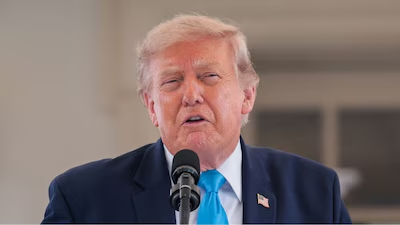
President Donald Trump has indicated that further military action remains possible if Tehran does not reach an agreement with Washington. His administration continues to face decisions over military strategy, diplomatic engagement and regional security.
The broader conflict has already affected energy markets, commercial transport and security arrangements across the Middle East.
Iran has previously been accused by US authorities of supporting operations targeting American officials and interests. However, the latest memorandum does not provide publicly available evidence detailing the specific suspected plots described in the warning.
What Happens Next?
US intelligence agencies are continuing to assess the reported threats, while the State Department reviews staffing and security measures at diplomatic missions.
The effort to distribute more intelligence to potentially affected personnel could help officials make informed decisions about travel, assignments and protective arrangements.
For now, the most significant uncertainties concern the locations, intended targets and timelines of the suspected operations. The available information does not establish whether any particular attack is imminent.
The warning nevertheless highlights the growing security challenges facing American personnel abroad as tensions involving Iran, the United States and regional armed groups continue to shape the Middle East's volatile political and military environment.